



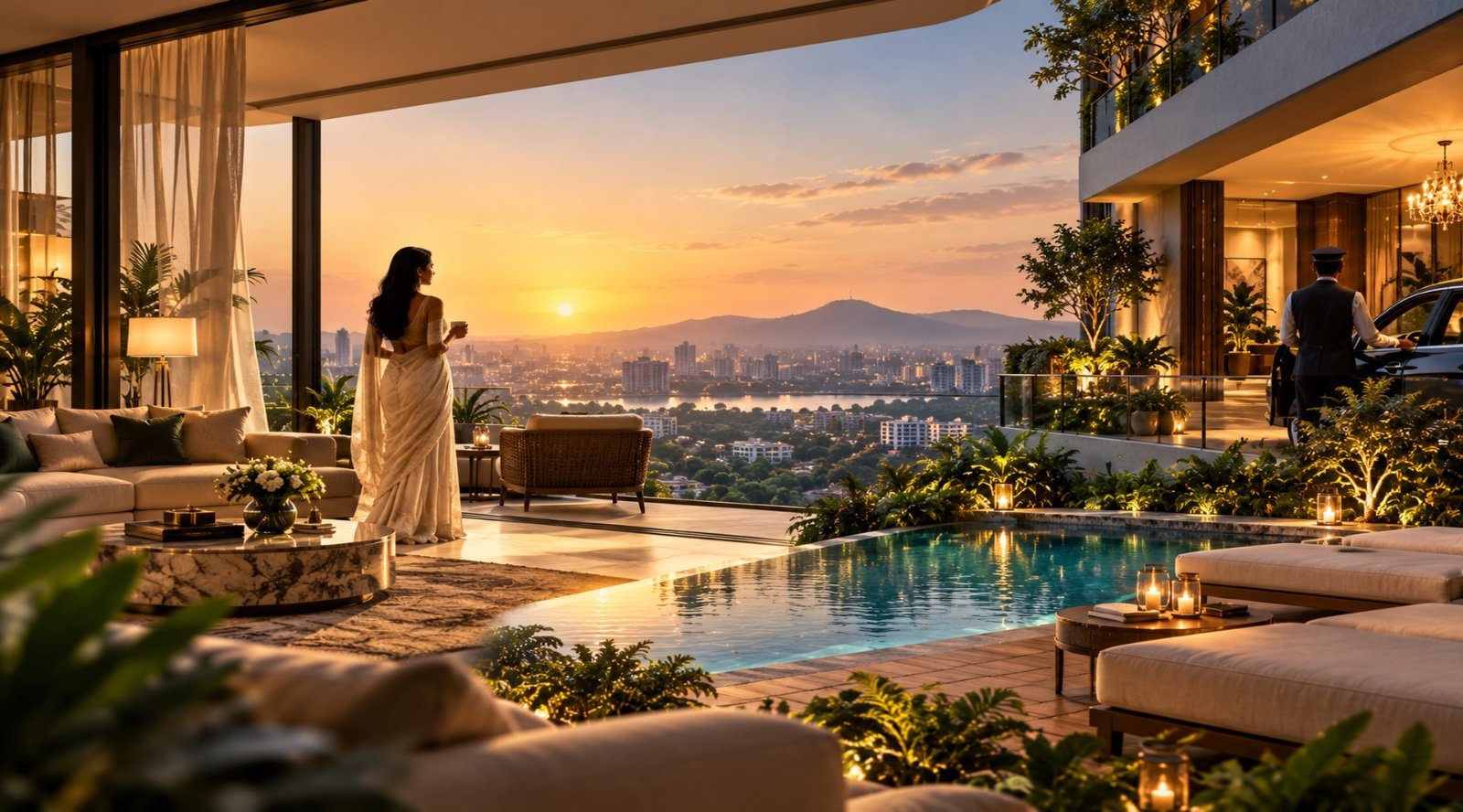
Why developers are exploring hospitality, fashion and lifestyle brand collaborations to create more distinctive residential experiences.
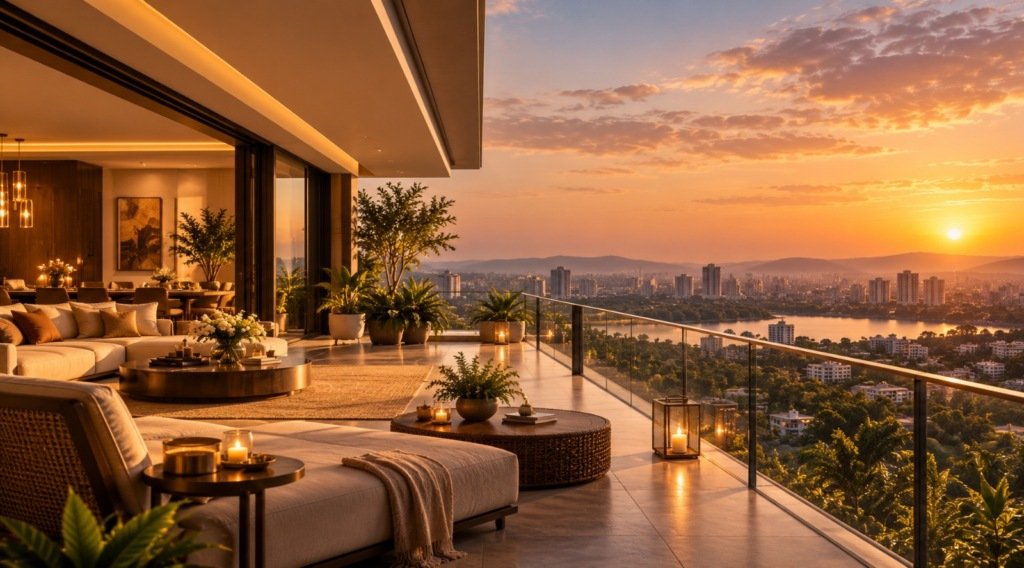
For years, architecture was one of the strongest differentiators in luxury real estate.
A striking façade, a grand entrance, an impressive clubhouse or a panoramic skyline view could give a project its own identity.
Today, however, premium residential developments are raising the bar. As more projects offer sophisticated architecture, world-class amenities and thoughtfully designed spaces, developers face a new challenge: standing out in a market where luxury is increasingly expected.
When every project looks premium, what makes one address more desirable than another?
The answer increasingly lies beyond architecture, in how a project is positioned, experienced and remembered.
When Luxury Amenities Become the Standard
There was a time when a swimming pool, private clubhouse or landscaped garden was enough to distinguish a premium residential project.
Today, these features are almost expected.
Developers are introducing larger clubhouses, wellness zones, private lounges, sports facilities and curated lifestyle experiences. While these additions enhance the offering, they don’t automatically create a distinctive identity.
The challenge isn’t the lack of amenities. It’s that many projects communicate them in almost identical ways.
A long list of features may attract attention, but it doesn’t necessarily explain why a particular development deserves to command a premium.
What matters is not just what a project offers, but the lifestyle those offerings create.
From Architectural Excellence to Brand Positioning
Two luxury developments can have equally impressive architecture and still appeal to entirely different buyers.
One might represent understated elegance and privacy. Another could celebrate contemporary urban living, while a third may focus on wellness, exclusivity or a hospitality-inspired lifestyle.
This is where brand positioning becomes important.
Developers need to establish who their project is designed for, what it represents and how it fits into the aspirations of its audience.
For developers exploring branded residences marketing in Pune or branded residences marketing in Mumbai, this becomes particularly relevant. In competitive premium markets, the association, lifestyle proposition and overall brand experience need to feel authentic to the development.
A clear positioning strategy gives every architectural feature and lifestyle offering a larger purpose.
The Growing Influence of Hospitality Brand Collaborations
One of the more interesting developments in luxury real estate is the growing interest in collaborations between residential developers and established hospitality brands.
International hospitality names such as Marriott International, Four Seasons, Hilton, Accor and The Ritz-Carlton are frequently discussed in the context of branded residences and luxury hospitality-led living.
In India, hospitality brands such as Lemon Tree Hotels, Taj and Oberoi may also be considered when developers research hospitality-inspired residential concepts. However, their inclusion here should not be interpreted as confirmation that they currently offer branded residence licensing or collaboration opportunities.
These associations can bring more than a familiar name to a residential development. Depending on the agreement, they may introduce hospitality-inspired design standards, concierge services, professionally managed amenities and curated lifestyle experiences.
For developers, the opportunity is to move beyond conventional luxury apartments and create a residential proposition built around service, comfort and a recognisable hospitality philosophy.
However, not every hospitality brand offers residential licensing or branded residence partnerships. The feasibility of a collaboration depends on the brand’s strategy, project positioning, commercial terms and operational requirements.
The real value of a hospitality collaboration lies in how the brand experience translates into everyday living.
Why Luxury and Lifestyle Brand Collaborations Are Gaining Attention
Hospitality is only one part of the larger branded residences opportunity.
Developers are also exploring associations with international fashion houses, luxury automobile brands, designers and lifestyle names to create distinctive residential identities.
Brands such as Tonino Lamborghini, Armani/Casa, Versace Home, Missoni and Fendi Casa are examples of luxury identities discussed in relation to design-led residential developments and lifestyle collaborations.
A design-led association may influence the visual language and interiors of a development, while an automobile-inspired luxury brand may bring a distinct aesthetic and lifestyle positioning.
Even brands associated with premium materials and decorative design, such as Swarovski, can serve as references when discussing design collaborations, signature installations or curated interior experiences. Any actual use of a brand’s name, designs or intellectual property would require appropriate authorisation.
For developers considering branded residences collaborations in India, the important question is not simply which international name carries the greatest recognition.
It is which brand genuinely complements the project’s vision, location, target audience and long-term value proposition.
A well-considered collaboration can strengthen positioning and create a compelling story. But the association must feel relevant to the actual residential experience.
The strongest branded residences are not simply buildings carrying famous names. They are developments where the brand’s identity becomes part of the living experience.
Brand references in this article are illustrative and do not indicate current partnership availability, endorsement or any affiliation with House of Hues.
The Luxury Experience Begins Before Possession
A buyer’s perception of a luxury project begins long before they step into their new home.
It starts with the first advertisement they see, the website they explore or the sales gallery they visit.
From the tone of communication and brochure design to the entrance experience, digital presentation and customer interactions, every touchpoint shapes expectations.
For hospitality-branded residences, this consistency becomes especially important.
If a development promises a hotel-inspired lifestyle, the sales experience, visual identity, service narrative and customer communication should reflect that positioning.
This is why developers are increasingly looking at branding as a complete experience rather than a collection of marketing materials.
The role of branded residences branding services in Pune and branded residences branding services in Mumbai is to help create that consistency, connecting the project’s identity with how it is presented across physical and digital environments.
Luxury should feel like a coherent experience, not just a promise made in an advertisement.
A Strong Project Story Travels Beyond Advertising
Architecture gives a development its physical identity. Branding gives people a reason to connect with it.
A well-defined project narrative can extend naturally across outdoor advertising, social media, public relations, influencer collaborations, brochures, launch events and sales communication.
In the case of hospitality brand collaborations, the storytelling opportunity can become even more interesting.
The communication can explore the philosophy behind the hospitality brand, its approach to service, the experiences it brings to residential living and how those elements connect with the development.
Instead of treating every campaign as a separate creative exercise, developers can build a consistent story that strengthens recognition over time.
This is also where the approach of a Luxury Real Estate Branding Agency in Pune or a Luxury Real Estate Branding Agency in Mumbai becomes relevant.
The objective should go beyond producing attractive creatives. It should be to identify what makes the project distinctive and translate that idea into communication that remains consistent across platforms.
After all, a premium development may have several impressive features, but buyers are more likely to remember a clear, compelling identity than an exhaustive list of specifications.
Architecture Still Matters. But It Needs a Story.
None of this reduces the importance of architecture.
Thoughtful planning, design quality, material selection and spatial experiences remain fundamental to a luxury development.
Branding cannot compensate for a product that fails to deliver on its promises. Neither can a hospitality collaboration substitute for the fundamentals of good residential design.
What branding can do is bring greater meaning to a well-designed project, helping buyers understand the thinking, lifestyle and value behind the architecture.
The opportunity for developers is to bring design, positioning, brand collaborations and communication together from an early stage rather than treating branding as something that begins shortly before launch.
The House of Hues Perspective
At House of Hues, we see luxury real estate branding as more than creating visually appealing campaigns.
It’s about understanding what makes a development worth remembering.
That could be its architectural philosophy, its location, a distinctive lifestyle proposition, a meaningful hospitality brand collaboration or an experience that speaks directly to its audience.
As developers explore new ways to differentiate premium projects, hospitality and lifestyle brand associations open up interesting possibilities for creating stronger residential identities.
Through brand positioning, creative storytelling, mainline advertising, digital communication, PR and strategic collaborations, the goal is to build an identity that extends beyond individual campaigns.
Because in a market where everyone is talking about square feet, amenities and specifications, perhaps the more important question is:
What will people remember about this address?
Building a premium project or exploring a hospitality or luxury brand collaboration? Let’s find the idea that makes your address distinctive.
Frequently Asked Questions
- Why are developers exploring hospitality brand collaborations?
Hospitality collaborations can help developers introduce service-led living, strengthen project positioning and create a more distinctive luxury residential experience.
- Which international brands are associated with branded residences?
Hospitality and luxury names such as Marriott, Four Seasons, Ritz-Carlton, Armani/Casa, Tonino Lamborghini and Versace have been referenced in the branded residential sector. Individual partnership opportunities require verification.
- What are the benefits of branded residences collaborations for developers?
They can strengthen project differentiation, enhance brand recognition, create distinctive lifestyle experiences and potentially support premium positioning.
- What should developers consider before choosing a hospitality or luxury brand partner?
Developers should evaluate brand relevance, buyer expectations, project location, licensing terms, service commitments and long-term operational feasibility.
- How can a luxury real estate branding agency support branded residences?
A branding agency can develop the project’s positioning, visual identity, communication strategy, launch campaigns and consistent storytelling around its brand association.
Disclaimer: Brand References & Collaborations
The brand names mentioned in this article, including Marriott, Four Seasons, Hilton, Accor, Ritz-Carlton, Lemon Tree Hotels, Taj, Oberoi, Tonino Lamborghini, Armani/Casa, Versace, Missoni, Fendi Casa and Swarovski, are referenced solely for informational and illustrative purposes, based on publicly available secondary information and general industry observations.
House of Hues does not claim any official affiliation, endorsement, authorisation or partnership with these brands unless expressly stated otherwise. Their inclusion does not imply that they currently offer branded residence collaborations, licensing opportunities or partnerships in India or any other market.
The availability, eligibility, terms and feasibility of any potential collaboration are subject to independent verification and the respective brand owner’s approval. House of Hues makes no representation or warranty regarding the accuracy, completeness or current availability of such opportunities and does not guarantee that any brand will enter into a collaboration with a developer.
All brand names and trademarks remain the property of their respective owners.

House of Hues is where strategy, storytelling and standout creativity come together. We help brands build personalities people connect with and identities they remember.
You may also like

Can PR Build Brand Equity Better Than Advertising?

Celebrity Endorsement for Real Estate: When Does It Make Strategic Sense?
Influencer Marketing for Real Estate: What Can a Creator Actually Sell?
The Anatomy of a Great Mainline: What Makes One Idea Stretch Across 20 Formats?